
Jaw pain can affect far more than your ability to chew. TMJ dysfunction may contribute to headaches, facial discomfort, neck tension, clicking sounds in the jaw, and difficulty opening or closing your mouth comfortably. At Palmercare Chiropractic, we focus on identifying the underlying causes of TMJ-related discomfort and creating personalized care plans that support lasting relief, improved mobility, and better overall wellness.
The temporomandibular joint (TMJ) is one of the most frequently used joints in the body. It connects your jaw to your skull and helps you speak, chew, yawn, and perform everyday activities. When this joint becomes irritated, restricted, or misaligned, it can lead to a condition commonly referred to as TMJ dysfunction.
Many people dealing with TMJ problems experience symptoms such as:
Because the jaw, neck, spine, muscles, and nervous system work together, dysfunction in one area can affect others. Poor posture, stress, previous injuries, teeth grinding, and spinal misalignments may all contribute to TMJ-related symptoms.
Our approach to chiropractic care focuses on improving alignment, restoring mobility, supporting nervous system function, and helping the body move more efficiently. By addressing contributing factors rather than simply masking symptoms, we help patients work toward long-term improvement and better quality of life.
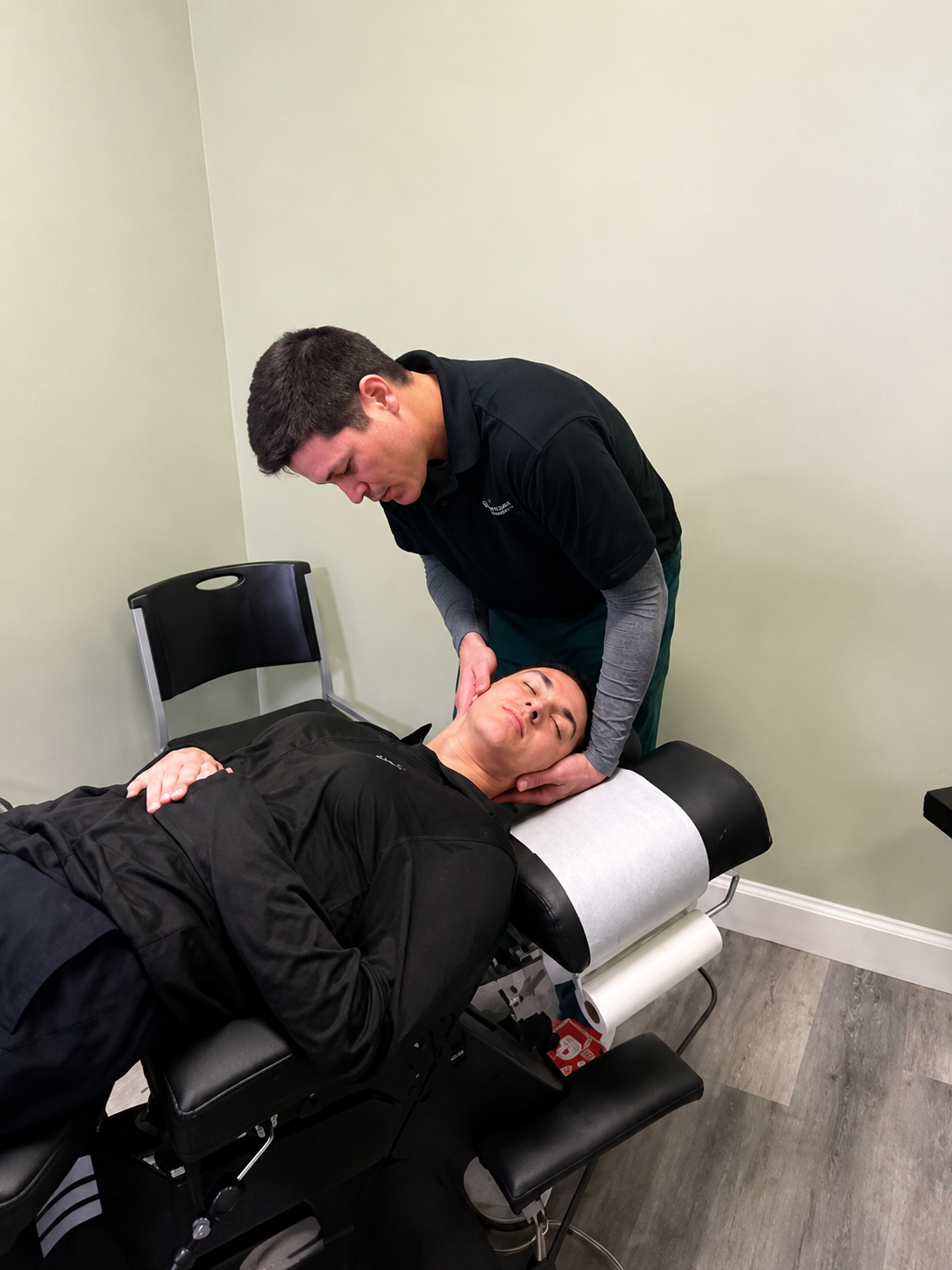
Comprehensive Chiropractic Care for TMJ Pain Relief
Every patient experiences TMJ pain differently. We begin with a detailed evaluation to understand your symptoms, health history, posture, movement patterns, and potential contributing factors.
This personalized assessment helps us create a care plan designed around your unique needs and goals.
Spinal alignment plays an important role in overall function. Misalignments in the neck and upper spine can contribute to muscle tension, restricted movement, and nervous system irritation that may affect the jaw.
Our chiropractic adjustments are designed to:
Modern lifestyles often place significant strain on the neck and jaw. Hours spent looking down at phones, working at computers, or sitting with poor posture can increase stress throughout the musculoskeletal system.
We help patients understand how posture affects TMJ function and provide practical strategies to support healthier movement habits.
TMJ discomfort is frequently associated with tight muscles in the jaw, face, neck, and shoulders. By improving spinal function and reducing biomechanical stress, chiropractic care may help decrease tension that contributes to jaw discomfort and limited movement.
Our goal is to help the body function more efficiently so everyday activities become more comfortable.
The nervous system coordinates communication throughout the body. Restrictions in spinal movement can affect how efficiently the body functions and responds to stress.
By promoting healthy spinal alignment and mobility, chiropractic care supports optimal nervous system function and overall wellness.
Patients often seek care because they want more than temporary symptom management. While every situation is unique, many individuals pursue chiropractic care to help:
Our focus is always on helping patients achieve sustainable improvements that support long-term function and wellness.
At Palmercare Chiropractic, we understand that TMJ pain can affect many aspects of daily life. Eating, talking, sleeping, and concentrating can all become more challenging when discomfort persists.
Patients choose us because we focus on more than symptom relief. We work to identify and address the underlying factors contributing to dysfunction while creating individualized care plans tailored to each person’s needs.
When you choose our team, you can expect:
Our mission is to help patients move better, feel better, and maintain healthier function for years to come.

See What Our Patients Say About Us
TMJ pain often involves more than just the jaw, it can contribute to headaches, neck discomfort, facial tension, and difficulty with everyday movements. Our chiropractic team develops personalized care plans that focus on improving jaw function, supporting proper alignment, and promoting your body’s natural ability to heal so you can move, speak, and eat more comfortably.
“The staff was very nice, helpful and professional. The environment was good and clean. I would recommend this company for anyone who’s trying to get their body back together in a healthy state.”
From the moment I first came here I was treated with kindness and a lot of smiles. They all show compassion for what they are doing.
If you are battling pain from injuries or other things this is a great place to go! THANKS MUCH PALMERCARE!!!
Gentle and effective adjustment are making significant improvement on my neck pain. Very friendly and professional environment.
Great experience overall. The chiropractor was friendly, professional, and really helped with my pain. The staff were very welcoming too.
HAVE A QUESTION
Frequently Asked Questions
TMJ dysfunction refers to problems affecting the temporomandibular joint and surrounding muscles, which can cause jaw pain, clicking, stiffness, headaches, and difficulty with normal jaw movement.
Chiropractic care may help address factors that contribute to TMJ discomfort, including spinal misalignments, poor posture, muscle tension, and movement restrictions.
Common causes include teeth grinding, stress, poor posture, jaw injuries, arthritis, muscle tension, and biomechanical imbalances involving the neck and spine.
Chiropractic care is generally considered a safe, non-invasive approach when performed by a qualified chiropractor following a thorough evaluation.
Yes. Many people with TMJ dysfunction experience tension headaches, facial pain, and discomfort that may radiate into the neck and shoulders.
Treatment recommendations vary based on symptom severity, overall health, contributing factors, and individual goals. We develop customized care plans for each patient.
Yes. Forward head posture and other postural issues can increase strain on the neck, jaw, and surrounding muscles, potentially contributing to TMJ symptoms.
Most patients find chiropractic adjustments comfortable. Treatment techniques are selected based on individual needs, health history, and comfort levels.
Many patients seek chiropractic care to help improve joint function, reduce tension, and support better mobility throughout the jaw, neck, and spine.
No. Chiropractic care focuses on improving function, supporting spinal alignment, enhancing mobility, promoting nervous system health, and encouraging long-term wellness.
Ready to continue your recovery journey? Discover another way we help patients move and feel better with our Chiropractic Care for Whiplash Treatment services.
Multiple Locations
There's a right one for you.